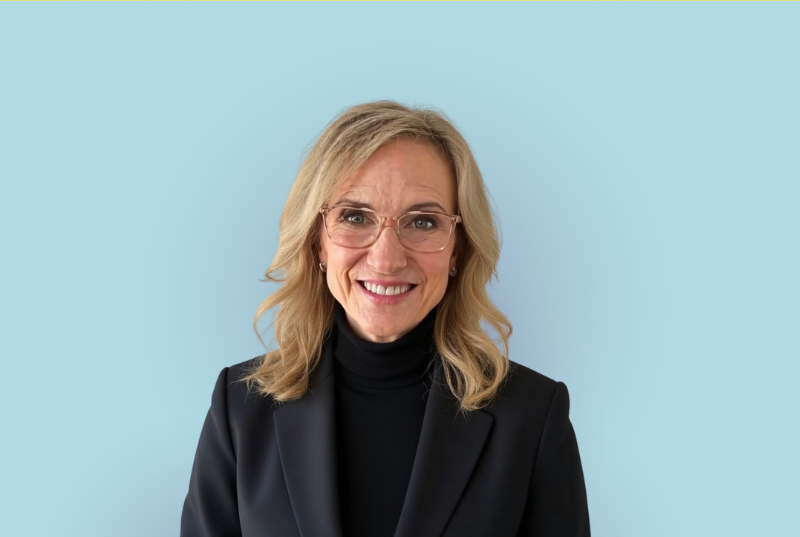
After three decades in healthcare, I have seen firsthand that we are solving the wrong problem and treating chronic high-cost conditions instead of preventing them.
My background is in business development, but I’ve worked across a wide range of settings, from pharmaceuticals to hospitals, ICUs, palliative care, hospice, skilled nursing facilities, and digital health. In every role, I saw dedicated teams trying to support people already grappling with serious illnesses, often at a point when options were few, costs were high, and suffering was real.
These experiences have stayed with me and made me reflect on something I saw repeatedly across healthcare. One lesson stood out clearly: The biggest impact, and greatest opportunity, comes long before someone becomes labeled “high risk.”
I saw the importance of earlier opportunities for change, not through breakthrough treatments or devices, but through daily habits that influence someone’s health over time. That’s what drew me to Wondr Health a couple of years ago in what is likely my last decade in healthcare. I wanted to dedicate my efforts to where I saw the biggest opportunity to make an impact. And I know I’m not alone in that. Many of us are in healthcare for that very reason. Today, conversations about GLP-1 medications have brought renewed attention to preventive care and chronic disease treatment. There’s no doubt that these therapies will be life-changing for many people. At the same time, they have underscored something I have seen throughout my career: even the most effective medications work best when people are supported with the skills and guidance to use them safely and sustainably.
Here at Wondr Health, we help people develop those habits and skills, whether they start early or after issues arise. These are the kind of habits that lower chronic disease risk, avoid unnecessary healthcare use, and truly change health trajectories. What makes this approach different is the focus on building lasting, sustainable behavioral skills, rather than short-term interventions that often lead to repeated setbacks.
For health plans, this is more than just a wellness benefit. It’s a smart business strategy. When people are supported earlier, it has a meaningful downstream impact:
- Fewer preventable hospital stays
- Slower, if any, progression into costly chronic diseases
- Improved member engagement, quality, and member appreciation
Wondr Health gives health plans a proven way to manage the total cost of care while making a measurable difference in members’ lives. If there’s a theme that runs through my career, it’s this: when people get access to support like Wondr Health provides, their stories and outcomes can be significantly positive. This kind of work continues to excite me and, I believe, points to where true healthcare transformation begins.
If you’re interested in learning more about how Wondr Health partners with health plans to support earlier intervention, you can explore how we are solving the right problem here.
Deborah O’Connor is Vice President of Health Plan Partnerships at Wondr Health. She has more than 30 years of experience across healthcare, spanning pharmaceuticals, provider organizations, digital health, managed pharmacy, and payer-focused technology. In a recently expanded role, she is responsible for driving new business with U.S. health insurers and working on enterprise initiatives that deliver both health impact and business value.